
News
What to Watch Out for When Driving a Diesel Car
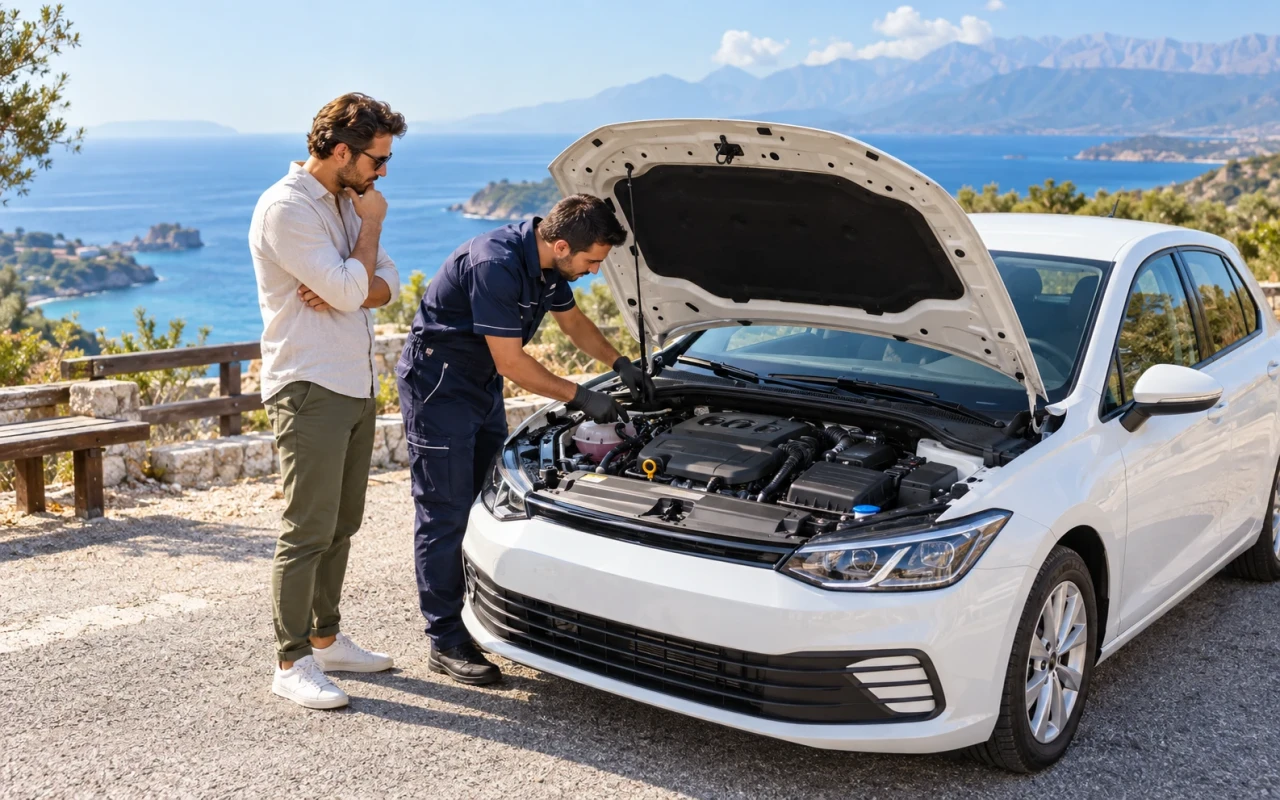
Diesel cars are more popular because they are more economical than petrol cars.
Diesel Cars: Driving and Maintenance Tips
Diesel-powered vehicles are often preferred by drivers who travel long distances and cover high annual mileage because of their fuel efficiency.
However, modern diesel engines use advanced technologies such as turbochargers, high-pressure fuel injection systems, Diesel Particulate Filters (DPF) and, depending on the vehicle, AdBlue/SCR systems.
For this reason, proper use and regular maintenance are important for keeping a diesel vehicle efficient, reliable and in good condition.
Who Benefits Most from a Diesel Car?
Whether a diesel vehicle is economical depends on more than fuel consumption alone.
Annual mileage, driving conditions, city or highway use, fuel prices and maintenance costs should all be considered when choosing between a diesel and petrol vehicle.
Drivers who regularly travel long distances and cover higher annual mileage may benefit more from the lower fuel consumption of diesel engines.
On the other hand, if a vehicle is mainly used for short trips and heavy city traffic, its operating conditions may create additional maintenance considerations. This is particularly relevant for modern diesel vehicles equipped with a Diesel Particulate Filter (DPF).
Therefore, when choosing a vehicle, it is important to consider not only whether it is diesel or petrol, but also how and where the vehicle will be used.
Important Tips for Driving a Diesel Car
Starting the Engine
Modern diesel vehicles have electronic engine management systems and may use glow plugs, particularly when the engine is cold.
When starting the vehicle, follow the instructions and warning lights shown on the dashboard and allow the vehicle to complete its normal starting procedure.
After starting, it is generally not necessary to leave the engine idling for a long period. Instead, drive gently and avoid putting the engine under heavy load until it reaches its normal operating temperature.
Always follow the vehicle manufacturer's instructions for the correct starting procedure.
Use Quality Fuel
Fuel quality is important for modern diesel engines.
Using fuel from reliable and reputable stations can help protect sensitive components such as the fuel filter, high-pressure fuel pump and injectors.
Contaminated or poor-quality fuel can affect the performance of the fuel system and may result in costly repairs.
For this reason, use fuel that meets the specifications recommended by the vehicle manufacturer.
Do Not Push-Start a Diesel Vehicle
Modern diesel vehicles with electronic fuel injection and engine management systems should not normally be push-started or tow-started.
Doing so may create unnecessary risks for the fuel system, electronic control systems and drivetrain.
If your vehicle does not start, follow the manufacturer's instructions and contact professional roadside assistance when necessary.
Follow the Maintenance Schedule
Regular maintenance is particularly important for diesel vehicles.
Engine oil, oil filters, air filters and fuel filters should be replaced at the intervals recommended by the manufacturer.
Modern diesel vehicles also contain components such as the Diesel Particulate Filter (DPF), EGR system, turbocharger and fuel injection system, all of which can affect engine performance and efficiency.
Maintenance intervals should also take the vehicle's actual operating conditions into account, rather than relying solely on mileage.
Important Tips for Turbo Diesel Cars
Turbocharged diesel engines can provide strong torque and excellent fuel efficiency. However, proper driving habits can help maintain the turbocharger and engine in good condition.
Starting a Turbo Diesel Engine
After starting a turbo diesel engine, avoid immediately driving at high engine speeds or placing the engine under heavy load.
Allow the lubrication system to operate normally and drive gently during the first part of the journey, particularly when the engine is cold.
Modern engines generally do not require a long warm-up period while idling. A gentle drive at low to moderate engine load is usually
Get in touch
Address: Talia Rent A CarGüzelyurt Mahallesi Serik Caddesi Yanyolu No:90/3C Aksu / ANTALYA